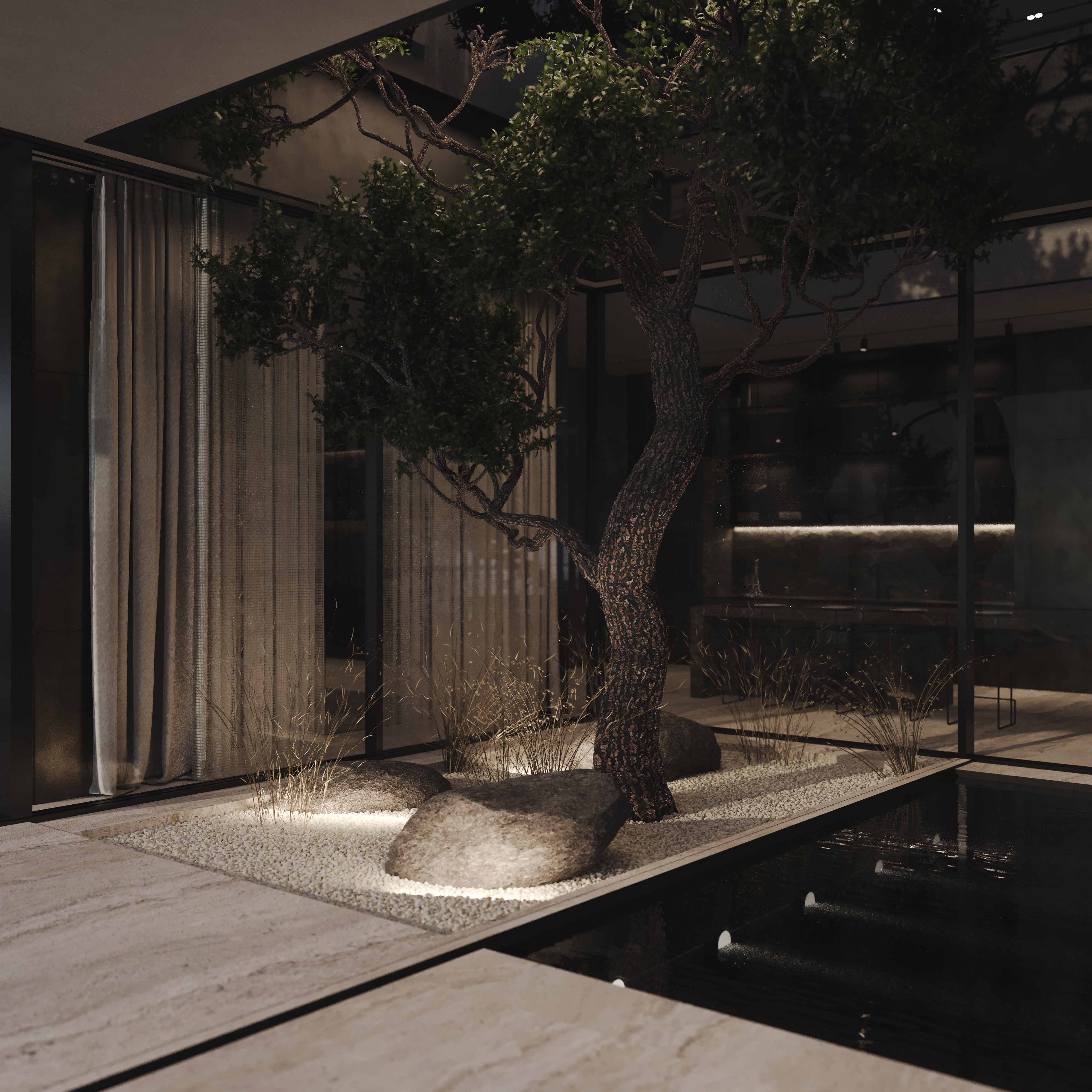
Embracing Nature: Exploring the Wonders of Biophilic Design
In our fast-paced, modern world, the importance of connecting with nature is more crucial than ever. Enter biophilic design, a revolutionary approach that seeks to bring the essence of the great outdoors indoors. The concept is simple yet profound – by incorporating natural elements into our built environment, we enhance our well-being, productivity, and overall quality of life.
The Biophilic Design Revolution
Biophilic design is a design philosophy that revolves around humanity’s innate connection to nature. Rooted in the belief that exposure to natural elements positively impacts our health and happiness, this design approach seamlessly blends the man-made with the organic.
Biophilic Elements in Interior Spaces
1. Greenery and Living Walls
Introducing plants into indoor spaces not only adds aesthetic appeal but also improves air quality. The lush greenery of indoor plants creates a calming atmosphere and contributes to a sense of well-being.
2. Natural Light
Embracing natural light is a cornerstone of biophilic design. Large windows, skylights, and open spaces allow sunlight to flood interiors, reducing the reliance on artificial lighting and fostering a connection with the outside world.
3. Natural Materials
Incorporating natural materials like wood, stone, and bamboo brings the authenticity of nature into the design. These materials not only look beautiful but also create a tactile and sensory experience.
4. Water Features
The soothing sound of flowing water can have a tranquilizing effect. Water features, such as fountains or indoor ponds, add an element of serenity and contribute to a peaceful environment.
Benefits of Biophilic Design
1. Improved Well-being
Numerous studies have shown that exposure to nature has a positive impact on mental health. Biophilic design fosters stress reduction, increased focus, and an overall sense of well-being.
2. Increased Productivity
Bringing nature into the workspace has been linked to increased productivity. Employees in biophilic environments report higher job satisfaction and lower levels of absenteeism.
3. Sustainable Living
Biophilic design often goes hand-in-hand with sustainable practices. By utilizing natural materials and energy-efficient solutions, it contributes to a more eco-friendly lifestyle.
Implementing Biophilic Design at Home and Work
1. Assess Your Space
Evaluate your living or working space to identify areas where natural elements can be incorporated. Consider factors such as lighting, ventilation, and available surfaces for greenery.
2. Introduce Plants
Select indoor plants that thrive in your environment. Low-maintenance options like snake plants, pothos, or succulents are perfect for beginners.
3. Choose Natural Colors
When redesigning a space, opt for a color palette inspired by nature. Earthy tones like greens, browns, and blues create a harmonious atmosphere.
4. Seek Professional Advice
For a comprehensive biophilic design experience, consider consulting with a professional designer who specializes in this innovative approach.
Conclusion
In a world where urbanization and technology dominate our lives, the importance of biophilic design cannot be overstated. By intentionally incorporating nature into our built environments, we not only enhance the aesthetics but also foster a deeper connection with the world around us. So, whether you’re redesigning your home or workplace, consider embracing biophilic design and witness the transformative power of bringing nature indoors.