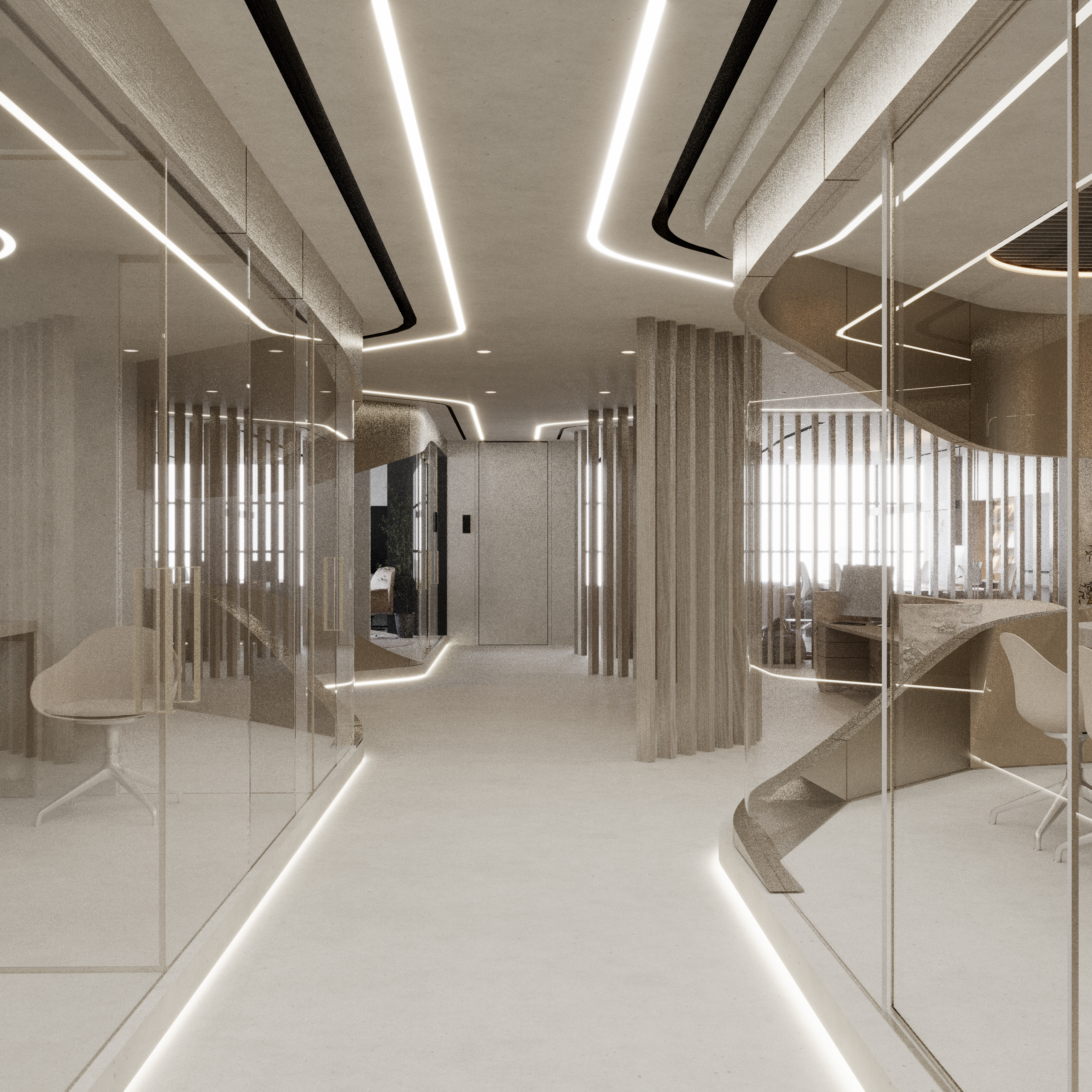
Illuminating Elegance: The Impact of Lighting on Interior Design
Lighting is a powerful element that can transform the atmosphere of any space. Beyond its practical purpose, lighting plays a crucial role in interior design, influencing the mood, functionality, and overall aesthetics of a room. In this blog post, we’ll explore the impact of lighting on interior design and share tips for achieving effective illumination.
The Influence of Lighting on Interior Spaces
1. Setting the Mood:
Lighting has the ability to evoke emotions and set the tone for a room. Warm, soft lighting can create a cozy and intimate atmosphere, while bright, cool lighting can promote a sense of energy and focus. Consider the desired mood for each space and choose lighting accordingly.
2. Highlighting Design Elements:
Properly placed lighting can accentuate architectural features, artwork, and furnishings. Whether it’s a pendant light above a dining table or track lighting emphasizing a gallery wall, strategic lighting enhances the visual appeal of design elements.
3. Enhancing Functionality:
Different activities require different levels of illumination. Task lighting, such as desk lamps or under-cabinet lighting in kitchens, ensures adequate light for specific activities. Ambient lighting provides overall illumination, contributing to the functionality of a space.
4. Creating Visual Interest:
Lighting fixtures themselves can be focal points in a room. Unique pendant lights, chandeliers, or floor lamps can add an element of design flair, becoming statement pieces that tie the entire space together.
Tips for Effective Illumination
1. Layered Lighting:
Incorporate a mix of ambient, task, and accent lighting for a layered and balanced effect. This approach allows you to adapt the lighting to different needs and occasions.
2. Consider Natural Light:
Capitalize on natural light sources by positioning furniture to maximize daylight exposure. Use light-filtering window treatments to control brightness and create a harmonious balance between natural and artificial lighting.
3. Choose the Right Bulbs:
The type of bulbs you select significantly impacts the color temperature and ambiance. Warm-toned bulbs (e.g., incandescent or warm LEDs) are suitable for creating a cozy atmosphere, while cool-toned bulbs (e.g., daylight LEDs) are ideal for task-oriented areas.
4. Dimmer Switches:
Install dimmer switches to have more control over the intensity of the lighting. This allows you to adjust the ambiance based on the time of day or the mood you want to create.
5. Scale and Proportion:
Consider the size of the room and the scale of your lighting fixtures. A large room may require larger or multiple light sources, while smaller fixtures may be more appropriate for cozy spaces.
6. Highlight Key Areas:
Identify focal points in each room and use lighting to draw attention to them. Whether it’s a piece of artwork, a unique architectural feature, or a stylish piece of furniture, targeted lighting can enhance the visual appeal.
Conclusion
In the realm of interior design, lighting is a dynamic tool that can elevate a space from ordinary to extraordinary. By understanding the impact of lighting on mood, functionality, and aesthetics, you can make informed decisions to create a well-lit and visually stunning environment. Experiment with different lighting arrangements, explore unique fixtures, and let your creativity shine as you illuminate your living spaces.